
Funding the Future.
The Advanced Cyberinfrastructure Coordination Ecosystem: Services & Support (ACCESS) is a powerful collection of integrated digital resources and services – things like supercomputers, visualization and storage systems, collections of data, software, networks, and expert support – that scientists, engineers, social scientists and humanities experts around the country use to advance understanding of our world and to make our lives healthier, safer and better. ACCESS integrates these resources and services and makes them easier for more people to use. The five-year, $52 million project is supported by the National Science Foundation and led, in part, by NCSA.
NCSA Leadership

John Towns
PI/ ACCESS Coordination Office (ACO)
The ACO provides coordination and support services, and staffing for top-level coordination and communications among the ACCESS awardees and with the public. This includes:
- support for top-level inter-awardee governance
- coordination of an external advisory board to the ACCESS awardees
- maintenance of the main ACCESS website
- coordinated community-building activities
Timothy Boerner
Operations and Integration Services
The Operations and Integration Services project comprises three defined activities:
- cybersecurity support
- operational support
- data and networking support

What Does ACCESS DO?
Read more about the program here.
News

New Frontiers in Precision Medicine

Mastering the Art of the Game
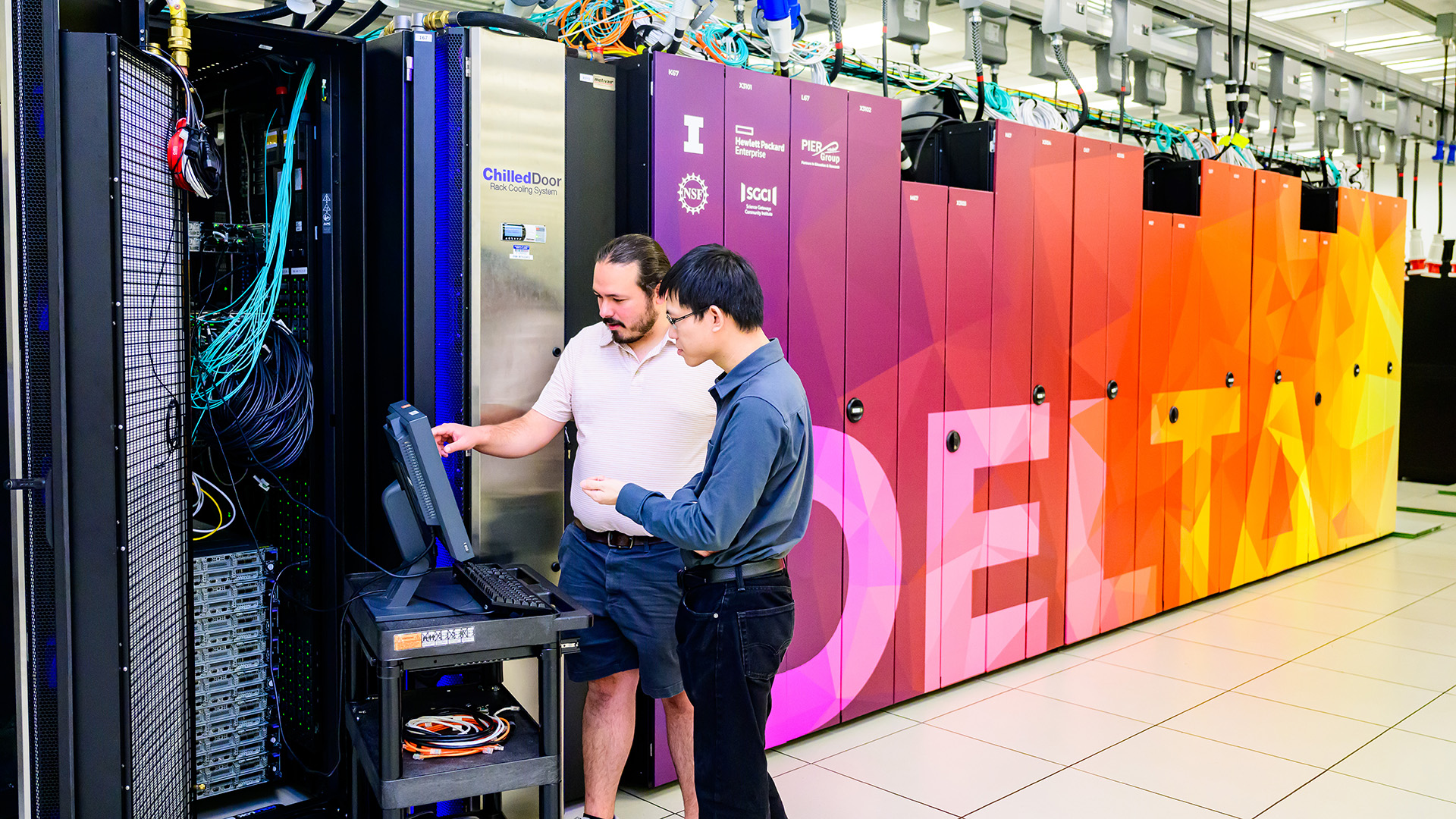
Simplifying HPC Access

Less is Sometimes More
Help Desk is available from 7 a.m. to 11:30 p.m., seven days a week, 365 days a year.